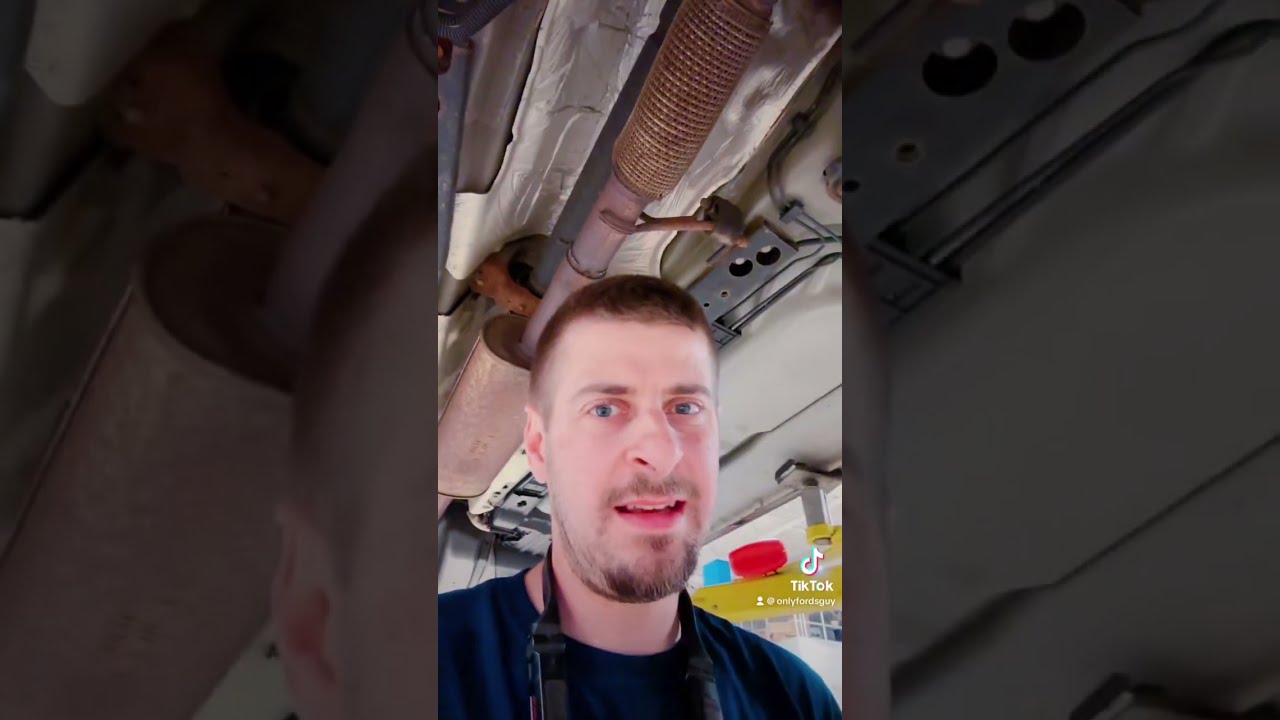
Oil Modifications at Your Doorstep: Why Mobile Mechanics Win
Convenience has always nudged vehicle owners toward quick lube stores and car dealership reveal lanes. Then came mobile service, and the equation shifted again. An oil change in your driveway seems like a small perk up until you run the mathematics on time saved, downtime prevented, and the genuine expense of driving a warmed engine to a store. I have changed oil in tight apartment garages, peaceful cul-de-sacs, and on the shaded edge of industrial car park with consent. When you enjoy a mobile mechanic work carefully in your own space, the value ends up being less about novelty and more about fit.
This is not a pattern piece. It is a look at where mobile oil service makes good sense, where it fails, and how to make it work for your car without sacrificing quality.
What "mobile" in fact means for an oil change
An expert mobile mechanic brings a totally equipped service lorry equipped with fluids, filters, a drain pan, rags, a torque wrench, a creeper mat, a fluid extractor if required, and an OSH-approved container for utilized oil. On site, the mechanic determines the engine version, confirms capacity, confirms the oil specification on the oil cap and owner's manual, look for skid plates or undertrays, and chooses between a conventional drain plug service or a top-side extraction if your engine design supports it. Some automobiles with underbody aero panels need additional time for access. The tech must likewise carry common drain plug washers and the particular filter type, whether cartridge or spin-on.
Unlike a store, there is no lift. That constraint can be an advantage due to the fact that you get a close look at what is being done. Ramps or low-profile jacks cover most sedans and crossovers. For low-clearance sports cars or trucks with tight skid plates, interaction ahead of time avoids surprises. Done effectively, the process takes 30 to 60 minutes, a bit longer if the undertray needs elimination or if the mechanic finds a weeping gasket or a chewed-up drain plug from a prior service.

The case for not driving to service
Oil modifications are stealthily lengthy. Many owners spending plan an hour. Few count the whole arc: scheduling, driving while the engine is hot, waiting in a line, then driving home. That is frequently 90 minutes to 2 hours. If you run a small company and pay yourself conservatively, lost time can go beyond the expense delta in between mobile and store service.
Heat also matters. Hot engines shed oil quickly, which sounds nice at a store, however that hot drive to the bay flows debris and fuel dilution items you collected, then bakes them again. A mobile oil change on a cold engine permits a longer drain or a measured extraction while lessening burn threat and allowing a calm assessment of the filter housing. I prefer cold drains pipes for aluminum pans and plastic cartridge real estates, which are more conscious rushed torque on hot threads.
Parking lot physics is another aspect. Many stores run on throughput. That pressure can press an oil tech to recycle a crushed washer or hit a drain plug with an effect gun. You will not see that in a parking bay behind your office. A good mobile mechanic decreases where needed: cleaning up the block around the filter, lubing O-rings, confirming the dipstick level after a couple of minutes, and scanning for leaks.

Cost, broken out honestly
Mobile service is not constantly cheaper in pure dollars. What you are purchasing is ability brought to you and time saved. Anticipate to pay a bit more than a discount coupon at a quick lube, typically comparable to independent store rates, and less than dealership prices for regular oil changes. The spread depends upon the oil specification and filter complexity.
Typical ranges I have actually seen across major metros:
- Conventional oil with a spin-on filter: 65 to 95 dollars for a four to 5 quart engine, including disposal.
That is the very first of the two allowed lists.
Full synthetic for modern-day turbo engines with a cartridge filter and 6 to eight quarts can run 110 to 180 dollars, often more for European long-life specifications that need particular approvals. An https://ewr1.vultrobjects.com/fairfield-bay-ar-mechanic/fairfield-bay-ar-mechanic/uncategorized/how-a-mobile-mechanic-conserves-you-money-and-time.html OE cartridge filter may cost 12 to 25 dollars, while premium spin-ons for efficiency applications can hit 20 to 35 dollars. Disposal charges hover around a few dollars per service. Add a travel cost if you are outside the regular radius, particularly in large rural areas.
People frequently neglect incidental savings. You prevent upsell pressure, unnecessary "engine flushes," and go shopping supply fees padded by percentage. You also remove the risk of cross-threaded drain plugs by rushed hands, a repair that can run several hundred dollars if the pan requires a timesert or replacement.
What quality looks like in a driveway
Mobile does not imply makeshift. The information are the tell. You should see the mechanic validate viscosity and spec, checked out the filter part number aloud, and examine the old filter media for metal or sludge. On cartridge real estates, a little smear of fresh oil on the O-ring avoids galling. Torque matters: drain plugs generally relax 20 to 30 ft-lb for little pans and 25 to 40 ft-lb on many trucks, though particular numbers vary. A tech who utilizes a torque wrench here is not being fussy; they are protecting aluminum threads that will be serviced lots of times over an automobile's life.
Underbody examination is the bonus offer. With the splash shield off, you can spot seepage at the front crank seal, a mist of ATF at a cooler line, or a coolant crust path at a water pump weep hole. None of that gets captured in a 10-minute loop at a chain store. A mobile mechanic can reveal you the evidence while the vehicle rests on your driveway, not in a loud bay.
Oil specs and why they matter more with longer intervals
Modern engines run tighter clearances, greater compression, and more aggressive turbocharging. They require oil that satisfies specific standards, not simply a generic viscosity. GM dexos, VW 504/507, BMW LL-01/ LL-17, MB 229.5/ 229.52, and Ford WSS-M2C variations are not marketing fluff. They reflect detergent bundles, HTHS viscosity, volatility limits, and ash material that protect emissions equipment and avoid LSPI in small turbo engines.
If your manual require 0W-20 with a particular cert, that is not optional. An excellent mobile mechanic stocks the best spec or informs you clearly when they need to source it. When an owner says "I always put 5W-30 in everything," I ask about the climate, the engine family, and oil usage patterns. There are valid exceptions, for example moving to a somewhat thicker grade on a high-mileage engine that burns a quart every 1,000 miles. That choice should be intentional, not habitual.
Longer intervals make spec compliance a lot more crucial. A lot of control panels recommend 10,000 miles between services. If you run brief trips, idle in traffic, or tow, that period can be too positive. I have actually seen DI engines shear oil much faster than the algorithm anticipates. A mobile service cadence around 5,000 to 7,500 miles for mixed usage keeps wear metals and fuel dilution in check without being wasteful. For vehicles under warranty, follow the letter of the maintenance schedule but document everything.
Environmental practices you can verify
Oil is a hazard if mishandled. The responsible mobile operator carries sealed containers and transfers utilized oil and filters to a certified recycler the same day or at least weekly, depending upon volume. They will not put anything into your rain gutter, period. They need to carry spill packages and absorbent pads. Ask where the waste goes. Names of trustworthy recyclers differ by city, but the mechanic should have a response, not a shrug.
Using a top-side extractor on engines that support it reduces the opportunity of driveway drips. People argue about whether extraction leaves more residue than a drain. In my experience, a warm extraction with the dipstick tube at the pan low point gets rid of as much or more oil than a rushed drain, specifically on engines with baffles that trap oil unless the automobile sits level. For engines with awkward dipstick routing or no tube access, stick to the drain plug.
Scheduling without drama
The best part of mobile oil service is the absence of waiting spaces. The worst part can be scheduling if communication is sloppy. A clear process helps. A lot of mobile shops utilize a text link or basic kind that collects the VIN, mileage, place, parking information, and preferred time window. VIN is critical because trim distinctions affect oil capability and filter type. I ask clients to send an image of the parking area. If you survive on a steep hill, a driveway pad or curbside area of flat ground makes the task safer.
Light rain is manageable with a pop-up canopy. Wind makes complex things. Apartment building often need a permission note or an email to the manager. Workplaces tend to be much easier, especially if you book during mid-morning when the lot has actually settled.
Trade-offs and edge cases that break the model
Mobile oil modifications are not ideal for each vehicle or situation. A few examples from the roadway:
- Some German SUVs hide the filter under layered skid plates and active aero panels. You can do it mobile, however the time balloons and the risk of lost clips rises. In those cases, a shop bay with full lift gain access to is smarter.
That is the 2nd and final list.
Performance automobiles with low splitters or unique undertrays require special ramps or a store lift. Hybrids with firmly packed engine bays sometimes path the filter behind coolant hose pipes. A competent mobile mechanic can manage it, however you should expect a longer slot and a greater price.
Then there are took drain plugs and rounded cartridge housings inherited from prior services. Mobile techs carry extractor sockets and replacement real estates for common models, but if a pan thread is jeopardized, you may need a timesert and a store see. The sincere mechanic informs you where the line is to prevent compounding damage.
Finally, homeowners associations. Some HOAs ban vehicle work. Know the guidelines. Oil modifications qualify as maintenance, however you do not want a fine for a cool, compliant service being misread as street repair.
Warranty and record-keeping
If your vehicle is under guarantee, your right to utilize independent service is secured in numerous regions so long as the work meets the producer's specs. Keep records. A mobile mechanic should issue a digital billing listing the oil brand name and specification, the precise quantity set up, the filter brand name and part number, the odometer, and the next due mileage. A number of us log torques and any extra notes, like a wet valve cover or a cabin filter recommendation with photos. These information reveal that the work was done effectively and help you make claims later if needed.
For rented vehicles, mobile oil changes are accepted so long as periods and specifications match the lease's requirements. At lease end, a neat packet of billings with matching mileage stamps looks much better than a stamp card with gaps.
The peaceful benefits: trust and visibility
Car owners typically feel like oil changes are a chore entrusted to the most affordable bidder. That is why "free oil for life" works as a hook. Mobile service turns the dynamic. You meet the mechanic, you enjoy the procedure, and you ask questions at your pace. If you are curious about your engine, this is how you discover what a healthy filter looks like or how to check out the condition of a drain plug washer. If you are not curious, you still get transparency that lots of bays can not offer.
I when serviced a small fleet of sales representatives parked behind their workplace. Eight compact crossovers, all the very same design year. By the third car, a pattern emerged: 2 had early seepage at the timing cover, one had actually a misrouted splash shield from a prior body repair, and one had a missing undertray bolt. The office supervisor had concrete images and part numbers by lunch break. That type of batch insight is practically impossible when vehicles go through various stores with different techs.
How to veterinarian a mobile mechanic without squandering time
You do not require a complicated list. You do need to hear specifics. Ask what oil standards they bring for your engine family, what torque specification they utilize for the drain plug, and whether they change washers as a rule. If the responses are positive and include numbers and trademark name, you are in great hands. If the pitch focuses on speed above all, keep looking. Speed is great, but you desire repeatable process.
Pay attention to how they plan for your area. Do they ask for a flat pad and lighting conditions if the appointment is late? Do they mention a spill package? Little cues build up. The method a mechanic preparations an oil modification typically reflects how they manage harder jobs.
Safety, both mechanical and personal
Safety is not almost preventing spills. A level surface area and correctly chocked wheels matter. Excellent mobile mechanics carry low-ride ramps with rubber pads, wheel chocks, and jack stands rated for the weight of your automobile, even if they do not always need them for an oil change. For top-side extraction, ensure the tube is positioned at the pan's floor, not kinked. After filling, the engine should be run quickly, then closed down for a few minutes to reconsider the dipstick at rest. Overfilling is just as damaging as running low, and turbo seals can grumble if the level sits above the max line.
Personal safety and trust belong to this, too. Reputable operators are insured and can provide evidence. If you schedule a service for a lorry while you are not home, you should be comfy with how secrets are handled, where the automobile will be moved, and how access will be returned. Much of us use lockboxes and texted codes that change each visit.
Used oil analysis and interval tuning for the nerds
Most owners do not need used oil analysis. If you like information, a 30 to 40 dollar laboratory report can adjust your interval based on fuel dilution, viscosity loss, and use metals. I have utilized reports to move a delivery motorist from 7,500 miles to 5,000 throughout a hot summer when idling was high, and to extend a highway commuter from 5,000 to 8,000 securely with a higher-tier artificial. Mobile service makes sampling easy because the mechanic can draw a mid-stream sample throughout extraction or drain without contamination from the pan plug threads.
What about electric and plug-in hybrids?
Pure EVs do not need oil modifications, but mobile mechanics still service them with tire rotations, brake cleaning in salty climates to avoid caliper stick, and cabin filters. For plug-in hybrids and standard hybrids, engine oil changes can be more difficult since the engine cycles on and off unpredictably. The option is basic: disable car start-stop if applicable, let the engine cool enough to work securely, and deal with the service as a conventional ICE task. Oil specs for hybrids typically call for low-viscosity synthetics to support effectiveness, so the same "specification matters" rule applies.
DIY versus employing a pro at home
Plenty of owners can and do their own oil changes, and I respect that. The concern is not capability, it is consistency. Doing it yourself suggests buying oil by the case, keeping a crush washer assortment, getting rid of lawfully, and preserving torque discipline each time. If you take pleasure in that, you will do a fantastic task. If you are squeezing it in between errands and supper, you may hurry and forget the old gasket stuck to the block, an error that discards oil on the road.
What you pay a mobile mechanic to do is bring the discipline of a shop to your area. The work shows up, the process is repeatable, and the waste is dealt with by someone who does it daily. For lots of owners, that mix beats both the waiting room and the messy DIY corner in the garage.
The bottom line: who wins and when
Mobile oil service wins when time is scarce, when you worth oversight, and when your lorry does not require lift-only gain access to. It wins for fleet managers who desire 8 automobiles serviced during a weekly conference without shuttling motorists. It wins for parents who can not being in a lobby with a toddler and a backpack of treats. It wins for automobiles with fragile aluminum pans that deserve a calm torque and a brand-new washer every time.
Traditional stores still win when the underbody work is intricate, when you have concurrent repair work, or when your structure bans onsite service. Dealers win when a service warranty upgrade or software application campaign is due and can be bundled with your service visit.

The excellent news is you do not need to choose once. Alternate as your life shifts. If you keep records, regard oil specifications, and partner with a competent mechanic, your engine will not care where the filter got spun on. What it will care about is that someone focused, used the best fluid, sealed the system properly, and validated the level with a clean dipstick held flat in great light. That quiet diligence is what mobile service gives your doorstep, and why it keeps growing beyond novelty status.
A short, useful prep guide for your very first appointment
- Park on a level surface area with sufficient space to access the front of the car and open the driver door totally.
- Send the VIN and a photo of your oil cap to the mechanic so they can validate spec and filter.
- Have a prepare for essential transfer if you will not be present, such as a lockbox or reception desk.
- Notify your structure or HOA if required, and reserve a spot if your lot is crowded.
- Budget an additional 10 minutes the very first time for a walk-through and questions.
This short list does not intend to teach you the process, just to make the visit smooth. After the very first visit, the routine settles in. The next time the reminder pops up on your phone, the service takes place where your automobile lives, without rerouting your day. That is the peaceful benefit, and it substances with each interval.
Greg’s Mobile Automotive Services
117 Dunn Hollow Dr, Fairfield Bay, AR 72088
(520) 414-5478
https://gregsmobileauto.com
https://share.google/LpiikT9QoZ72lNOZI