
What to Anticipate During Your Very First Mobile Mechanic Check Out
A great mobile mechanic can feel like the very best parts of old-school service and contemporary convenience rolled into one. Rather of hunting for a trip to the shop, waiting in a plastic chair under fluorescent lights, and questioning what's happening on the other side of a service door, you get the work done at your driveway or office parking spot. If you have actually never used one, the process has its own rhythm, and a couple of clever preparations make the first check out smooth and economical.
How mobile service really works
A mobile mechanic brings a well-stocked van or truck to you, equipped for diagnostics and many regular repair work: batteries, brakes, belts, stimulate plugs, oil and filter modifications, generator and starter swaps, and great deal of basic troubleshooting. The automobile functions as a rolling shop. What it can't replace is a hoist, a tire balancer, and heavy devices for deep engine or transmission work. Consider it as a clinic that manages preventative care, typical fixes, and clear diagnoses, then refers you to a healthcare facility only when surgical treatment is unavoidable.
A typical consultation starts with a brief discussion to validate the symptoms or the requested service, a walk-around, and an evaluation. The mechanic establish security cones if required, puts down fender covers or floor mats, and gets to work. If the job is planned and uncomplicated, they're carried out in 45 to 90 minutes. For intermittent concerns or electrical gremlins, anticipate more time invested in diagnostics than on turning wrenches.
Before the visit: set the scene for success
Location matters. A level spot with enough space to open doors and put a jack is ideal. Apartment or condo lots typically work great with a visitor pass, but gated garages can be tricky since some structures limit business work. If your automobile remains in a tight parallel area on a hectic street, ask the mechanic whether they can accommodate it or if you ought to move the lorry. The majority of will prevent working in risky scenarios like blind curves, high driveways, or unlit shoulders.
Parts preparing prevents delays. Numerous mobile services estimate your job ahead of time and bring the parts. If you choose to supply your own, confirm the specific part numbers and make certain you have actually all needed pieces: crush washers for an oil modification, brand-new hardware for brake pads, or a serpentine belt routing diagram if your under-hood label is gone. Mechanics typically carry common consumables, however not every oddball fastener or gasket.
Expect a time window. A flat tire earlier in the day or a taken bolt on the previous job can press the schedule. The very best mobile mechanics build practical buffers and interact early if they're running behind. If timing is important for you, say so when scheduling and request the very first slot of the day.
Pets, kids, and next-door neighbors matter more than individuals believe. A friendly canine will still step on climbers and lick brake cleaner. Keep pets within, and if the work will be loud, a heads-up to close neighbors helps.
The initially five minutes: introductions and expectations
When the mechanic shows up, they will confirm your name, the car, the plate or VIN, and the work order. Great ones begin with concerns that hone the diagnosis: When did the noise start? Does it change with speed or engine RPM? What caution lights have you seen, and do you have pictures? If the car is dead, they will inquire about recent work and battery age.
You should expect clear boundaries around rates and scope. Mobile mechanics typically deal with a flat-rate quote or a rate-plus-parts structure with a minimum service charge. If they think extra work once they open something up, they will tell you what may alter and why. When the labor guide states a job takes 1.5 hours but rusty hardware could turn it into 3, that disclaimer conserves aggravation later.
A fast safety short is typical. They will ask you to prevent the instant work area and verify there's no HOA or home rule that bans auto repairs. If your HOA has ambiguous language, uncomplicated maintenance is typically appropriate when no fluids spill on common pavement.
Diagnostics at your curb: what tools and actions to expect
Modern cars talk, and the mechanic will listen. For engine and transmission concerns, the first stop is the OBD-II port. Anticipate a scan tool session that pulls problem codes, freeze frame data, and live sensing unit readings. A skilled tech will not simply read P0302 and offer you a coil; they'll take a look at misfire information per cylinder, fuel trims, short and long term, and upstream versus downstream O2 readings to see if the issue is ignition, fuel, or compression. For intermittent faults, they may let the engine idle while they induce load, view temperature levels, and tap test connectors.
Beyond electronic devices, a hands-on examination still matters. For brake grievances, they'll measure pad density on each wheel, check rotor surface areas, look for taken slide pins, and try to find uneven wear that points to a sticky caliper or a hose collapsing internally. For electrical concerns like a no-start, they'll perform a voltage drop test across the battery cables, check parasitic draw with an ammeter, and test the alternator output under load. If you've never seen it done, the process can look like peaceful perseverance: meters clipped on, readings recorded, a few test cycles, and just then a verdict.
You might be requested a short drive around the block together. This helps the mechanic hear the sound you hear, feel the vibration at the speed where it happens, and note whether it alters in a turn or throughout braking. If your insurance or business policy will not enable a ride-along, they'll take the vehicle themselves with your consent, then show you data from a scan tool or a vibration app if needed.
Jobs that fit mobile service well
Oil and filter modifications, battery testing and replacement, brake pad and rotor service, belt and hose swaps, generators, starters, stimulate plugs on lots of engines, cabin and engine air filters, wiper blades, headlight bulbs, coolant temperature sensing units, and basic suspension elements like sway bar links and end bushings are bread and butter for a mobile mechanic. So is pre-purchase evaluation work, where an experienced eye saves you from a shiny lemon. Tire services are combined: plug and spot repair work are common, but mounting and balancing brand-new tires normally needs a store unless the mechanic runs a tire van with that equipment.
Complex timing belt tasks, head gaskets, transmission replacements, frame rust repairs, and anything requiring a lift or specialized alignments normally relocate to a shop. A skilled mobile tech will state so in advance and can typically collaborate a shop partner if you need one.
Pricing, transparency, and paying the bill
Good mobile mechanics win on clearness. You need to receive a written estimate before work begins, with line products for labor, parts, store supplies if any, and taxes. Ask about warranties. Many credible mobile services provide 12 months or 12,000 miles on parts and labor, some go to 24 months or 24,000 miles when they supply the parts.
Labor rates vary by region. In major metros, you might see 110 to 170 dollars per billed hour for an extremely skilled mechanic, lower in smaller markets. A minimum visit fee in the 80 to 120 dollar range is common, frequently applied toward the task if you proceed. Diagnostics might be a different flat cost, specifically for electrical work that can take in an hour without changing a part. If the problem needs a deep dive that exceeds the first diagnostic tier, the mechanic needs to pause and discuss next actions and expenses rather than letting the meter run without your consent.
Payment is usually managed on a mobile phone. Expect digital billings and card payments, though some still accept money. If you need a comprehensive invoice for reimbursement or warranty claims, request parts numbers and maker names. It takes an additional minute now and can save an hour later.
What a professional setup appears like on site
If you have not viewed this type of service before, watch on the process, not since you require to police it but to understand the standard. Jack stands under the vehicle before anybody rolls under. Wheel chocks put properly. Fuses pulled previously working on airbag-adjacent parts. Fenders covered to prevent scratches. Utilized fluids captured in sealed containers with a funnel and drip tray. Torques consulted an adjusted wrench, not simply "great and tight." The best techs tell the highlights: "Your front pads were at 2 millimeters. New pads and rotors installed, slide pins cleaned and greased, hardware replaced, torque spec on lug nuts set to 89 foot-pounds." That note matters if a tire shop later wants to hammer the lugs on with an effect gun.
Expect tidiness at the finish. The workspace should look as tidy or cleaner than before they arrived. Your old parts are yours to keep if you want them. Ask to see them, even if you do not plan to take them. A visual of the cracked belt or the leaking water pump helps you rely on the repair work and your own decision.
How long it takes, realistically
Simple oil changes are frequently carried out in 30 minutes if everything is accessible. Brakes on one axle take about an hour when hardware complies, two hours if slide pins are frozen and require work. Alternators and beginners range from under an hour on vehicles with easy access to 2 or more on confined engine bays. Diagnostics can range from 20 minutes to an hour, depending on the symptom and how periodic it is.
Weather can alter the timetable. A light drizzle is manageable with pop-up coverings, however wind-driven rain or temperature levels in the single digits slow the task and often require a reschedule for safety. If serious weather is in the projection, ask your mechanic about their threshold and backup dates.
What you need to ask during and after the visit
Ask about source, not just the part replaced. If a battery failed at three years, was it a charging problem, parasitic draw, or simply age? If brake pads broke early on one side, was a caliper hanging up or a guide pin worn away? The very best mechanics will explain briefly and in plain terms. You are not studying for an ASE exam; you are choosing how to take care of your car.
Ask what's next. A list of upcoming maintenance based upon mileage and inspection findings assists you plan. For instance, "coolant looks original and tests weak, consider a flush in the next month," or "the serpentine belt has small cracking, reevaluate at the next oil change."
Ask about guarantee and reconsider procedures. If a new sound appears or a light returns, what is the window for a no-charge follow-up? You desire a clear path to resolution if anything feels off.
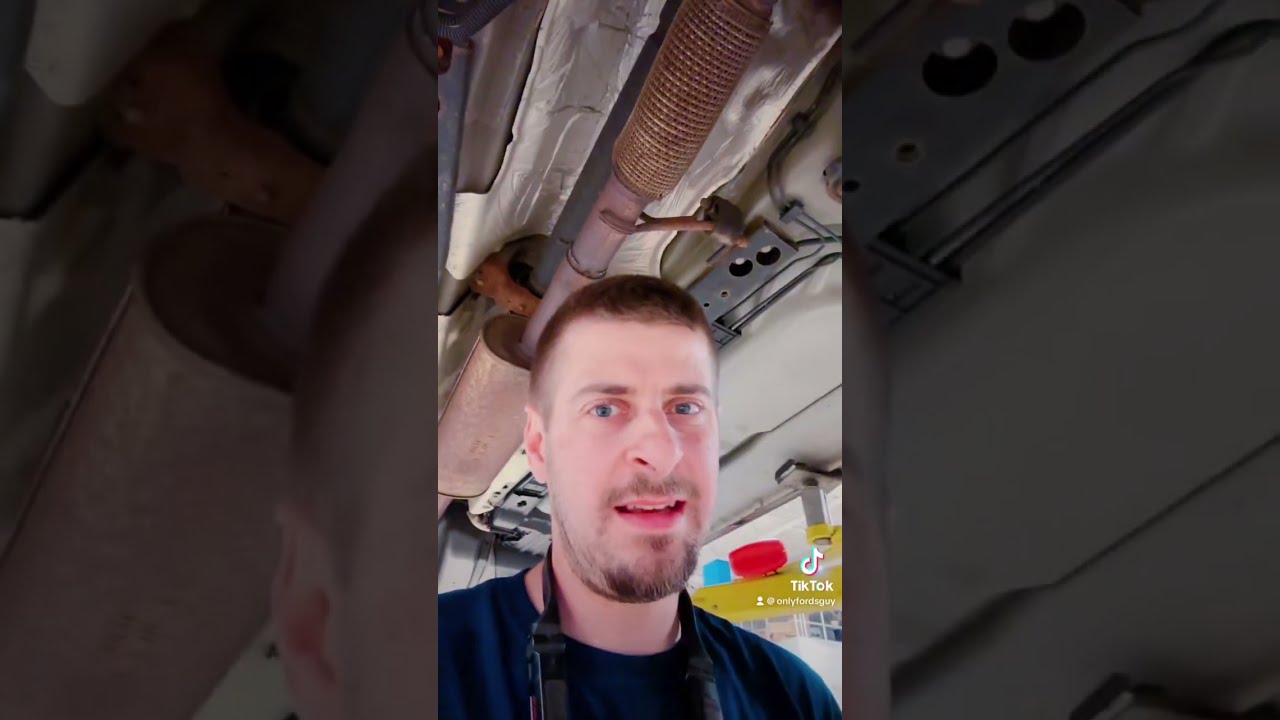
Where mobile shines, from somebody who has done both
I have actually invested years on both sides of the fender, initially in a traditional store and after that with a service that sent me into driveways from cul-de-sacs to high-rise garages. The difference is not simply convenience, it is openness. People ask better concerns when they can point at their cars and truck and see the part in my hand. In a store, I used to call and describe a split belt over the phone. At a home see, the owner holds it, flexes it, and gets the why instantly.
You also see patterns up close. When I serviced fleets, I might tell which drivers rode the brakes and which ones completed tire pressures. I have actually had mornings where the first task was a Civic with a basic coil pack and the second was a luxury SUV with an alternator buried under a consumption plenum that developed into a three-hour, knuckle-scraping commitment. The mobile format rewards thorough scheduling, truthful triage, and the humility to say, "This one belongs in a shop."
Limits and edge cases to consider
Parking rules can shut down a job. Some workplace parks forbid service work. Some condos enable "small maintenance" but ban fluid changes. If your HOA is rigorous, oil modifications and brake service may be great in a private garage however not in shared lots. Clarify in advance to prevent an uncomfortable mid-job halt.
Hybrids and EVs are a variety. Many mobile https://objectstorage.us-chicago-1.oraclecloud.com/n/axqz93zptvnh/b/arkansas/o/fairfield-bay-ar-mechanic/uncategorized/when-a-mobile-mechanic-is-the-smartest-option-for-your-cars-and-truck.html mechanics manage brakes, cabin filters, and 12-volt battery concerns on these automobiles without a hitch. High-voltage diagnostics or coolant service for battery thermal systems need particular training and PPE. Expect a recommendation to a specialized shop if the issue touches the high-voltage loop.
Seized hardware is the wild card. I have had a brake pipe fitting round off in spite of heat, permeating oil, and the correct flare nut wrench. At that point you deal with a choice: cut and replace the hose and bleed the system, or reschedule when the part is on hand. Rust-belt cars and trucks just take longer. A two-hour brake job in Phoenix can be a four-hour task in Buffalo, and truthful quotes will state so.
Intermittent faults test everyone's persistence. A crank-no-start that only occurs after sitting for two hours in cool weather condition may decline to act up throughout the check out. An excellent mechanic will record findings, set a prepare for a longer diagnostic session, or install a momentary data logger. Charging you for parts when the sign never ever appeared is a red flag.
Safety, liability, and professionalism cues
Look for a mechanic who is guaranteed and can provide proof if asked. They need to bring basic liability and garagekeepers coverage that reaches mobile operations. If a jack stops working and causes damage, you desire confidence that the business can make it right. If they work under a platform that vets professionals, that is great, but private proof of insurance coverage is still meaningful.
Certifications like ASE are a good sign however not the only indication. The very best referral is a track record with your lorry brand name and the specific repair work you require. Word of mouth matters more in mobile work due to the fact that the task occurs at your home. If next-door neighbors have actually used the same person for a year, that says a lot.

What you can do to help during the visit
Two things assist more than people understand: keep your phone convenient in case the mechanic requirements quick approval, and be offered for a two-minute show-and-tell at the end. If you work from home, a brief time out lets the tech explain anything they noticed. Leave a clear course to the vehicle and the keys, and if you have wheel locks, understand where the secret is. That little chrome nut in the glovebox is the difference between a 70-minute brake task and a squandered trip.
If you are at the office, tell security or centers that a mobile service is coming. Most front desks appreciate a plate number and a see window. In some corporate lots, cones and small spill mats might be required, which any pro will bring.
After the repair work: roadway test and paperwork
Expect a brief roadway test after the work, even for something as simple as brakes. The mechanic should bed the pads lightly, confirm pedal feel, and listen for any odd sounds. For electrical work, they may monitor voltage throughout a drive cycle. At handoff, you need to receive an invoice with the work performed, parts used, torque specs where relevant, and a note of any advisories.
Read the billing once, not due to the fact that you expect trouble but to capture little mistakes like a mis-typed mileage. If an upkeep schedule is included, include it to your calendar. For instance, after a cooling system service, a fast level check in 2 days and again in 2 weeks captures slow burps of air that settle out.
Common first-visit circumstances and how they typically go
Dead battery in the early morning: The mechanic arrives with a digital tester, checks resting voltage and cold-cranking amps, cleans up the terminals, and checks the generator after a jump. If the battery stops working, they change it and register it in the cars and truck's system if your make requires that, then confirm that the charging voltage is healthy. From driveway to done often takes 30 to 40 minutes.
Squealing brakes: A roadway test, wheel removal, and assessment reveal pads used close to the support plate on the front axle and heat-checked rotors. The tech replaces pads and rotors, cleans and oils slide pins, and torques wheels to spec. You get a suggestion to reconsider the rear pads in 5,000 miles and to prevent hard stops for the first few days. Expect 90 minutes if all goes smoothly.
Check engine light with a rough idle: Scan shows a cylinder-specific misfire. Coils are switched between cylinders to see if the misfire follows. If it does, a new coil and plug repair it. If the misfire stays put, compression and injector tests come next. When the part is offered on the truck, you are performed in under an hour; if not, the mechanic sources it and returns later on that day or the next morning.
Oil change and inspection: Beyond oil and filter, a great mobile mechanic checks tire pressures, sets them to the placard, examines fluids, takes a look at belt condition, and keeps in mind any seepage. If they find a sluggish valve cover leakage, you get pictures and a price quote with the option to arrange later.
Two short aids to make your very first see smoother
-
Appointment prep list:
-
Clear a level parking spot with space to work.
-
Gather secrets, wheel lock secret, and service records.
-
Confirm structure or HOA rules permit on-site service.
-
Tell the mechanic about any peculiarities, noises, or recent work.
-
Keep animals inside and your phone nearby for approvals.
-
Quick comparison: mobile mechanic vs. shop see:
-
Convenience: mobile saves a trip and a waiting room; shops might offer loaners.
-
Scope: mobile excels at upkeep and mid-level repairs; stores deal with heavy jobs.
-
Transparency: you see the work at home; shops rely on phone updates.
-
Scheduling: mobile check outs can be exact same day for typical concerns; shops book out but can staff multiple techs if your car stays.
-
Cost: labor rates are often similar; you prevent towing and often save time-off-work with mobile.
Red flags and green lights
A couple of indications tell you whether you have discovered a pro. Thumbs-up: they ask questions that sharpen the diagnosis, volunteer likely failure modes and how they will confirm them, and provide you a clear cost before starting. They safeguard paint and interior surface areas, torque to spec, and leave the workspace tidy. They welcome you to see old parts and explain briefly, without jargon.
Red flags: a diagnosis in under a minute for an intricate concern, no scan data evaluation, no written estimate, vague labor rates, a pitch for unassociated add-ons without proof, or unwillingness to show changed parts. If you hear "We will see what happens" after you inquire about a service warranty, that is your cue to pause.
Making mobile maintenance part of your routine
Once you have an excellent experience with a mobile mechanic, the most convenient win is to set up small things on a cadence. Oil and filter at the interval your vehicle needs, a brake inspection twice a year, a battery test before winter season, and cabin filters before allergic reaction season. Small, foreseeable check outs are cheaper than emergency ones, and they build a relationship. When something bigger fails, you will wish to call someone who understands your cars and truck and your driveway.
For lots of motorists, the first mobile visit turns stress and anxiety into relief. You hear the diagnosis in plain language, you watch part of the process, and you get your automobile back without trading your day for a waiting space. With a little preparation and a mechanic who values transparency, on-site service feels less like an exception and more like the apparent way to keep a cars and truck healthy.
Greg’s Mobile Automotive Services
117 Dunn Hollow Dr, Fairfield Bay, AR 72088
(520) 414-5478
https://gregsmobileauto.com
https://share.google/LpiikT9QoZ72lNOZI